Absolutely! Here’s a comprehensive article on VR headsets, tailored for a general audience with technical elements included.
The Immersive Frontier: A Deep Dive into VR Headsets
Virtual Reality (VR) has long been a staple of science fiction, but today, it’s a tangible and rapidly evolving technology that’s reshaping how we interact with computers and the world around us. At the heart of this revolution lies the VR headset, a device that promises to transport us to entirely new digital realms.
What is a VR Headset?
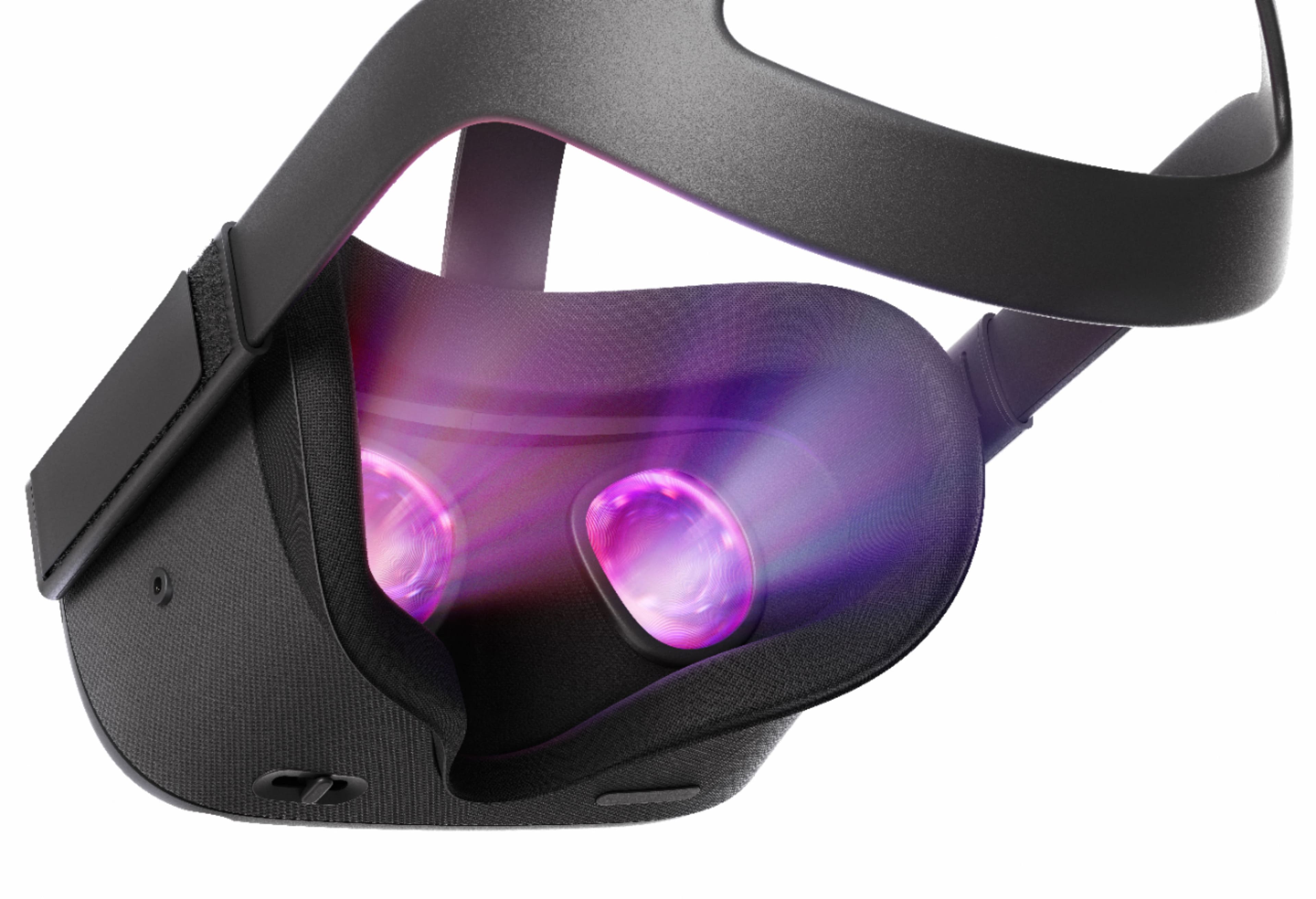
At its core, a VR headset is a head-mounted display that creates an immersive visual and auditory experience. By blocking out the real world and presenting stereoscopic images (separate images for each eye), it tricks the brain into perceiving depth and three-dimensional space. Paired with motion tracking, VR headsets allow users to naturally look around, explore, and interact within these virtual environments.
Key Components and How They Work
- Display: The display is the heart of the VR headset. Most modern headsets use LCD or OLED panels, chosen for their high refresh rates, low latency, and vibrant colors. The resolution of these panels is crucial for visual clarity; higher resolution translates to a sharper, more detailed VR experience.
- Lenses: These sit between the display and your eyes, magnifying and focusing the image to create a wide field of view. Fresnel lenses are commonly used for their compact design and ability to minimize distortion.
- Tracking System: Tracking is essential for translating your real-world movements into the virtual environment. Common tracking methods include:
- Inside-Out Tracking: Cameras on the headset track the environment, allowing the headset to determine its position and orientation without external sensors.
- Outside-In Tracking: External sensors (base stations) emit infrared light, which is detected by sensors on the headset. This method generally offers higher precision but requires setting up the external sensors.
- Sensors: VR headsets are equipped with a suite of sensors, including accelerometers, gyroscopes, and magnetometers. These sensors work together to track head movements and orientation, providing a responsive and accurate VR experience.
- Audio: Immersive audio is just as important as visuals. Most VR headsets feature built-in headphones or offer compatibility with external headphones. Some headsets even incorporate spatial audio technology, which simulates sound coming from different directions in the virtual environment.
- Compute Power: VR headsets require substantial processing power to render complex virtual environments in real-time. Some headsets are tethered to powerful PCs or consoles, while others (standalone headsets) have integrated processors and graphics.
Types of VR Headsets
VR headsets come in various forms, each with its own strengths and weaknesses:
- Tethered VR Headsets: These headsets connect to a PC or console via cables (HDMI, USB). They offer the highest fidelity visuals and performance due to the processing power of the connected device. Examples include the Valve Index, HTC Vive Pro 2, and Oculus Rift S (discontinued).
- Standalone VR Headsets: These are all-in-one devices with integrated processors, batteries, and displays. They offer greater freedom of movement and ease of use, but their graphical capabilities are generally lower than tethered headsets. Examples include the Meta Quest 2 and HTC Vive Focus 3.
- Mobile VR Headsets: These headsets use a smartphone as the display and processor. They are the most affordable and accessible option, but offer the lowest fidelity and limited tracking capabilities. Examples include Google Cardboard and Samsung Gear VR (discontinued).
The VR Ecosystem: Software and Applications
The VR experience is only as good as the software that powers it. A vast and growing ecosystem of VR applications is available, catering to a wide range of interests:
- Gaming: VR gaming is one of the most popular applications, offering immersive and interactive experiences that traditional gaming can’t match. Games range from action and adventure to puzzle and simulation.
- Education: VR is transforming education by allowing students to explore historical sites, dissect virtual organisms, and participate in immersive learning experiences.
- Training and Simulation: VR is used for training in high-risk or complex environments, such as aviation, surgery, and military operations.
- Entertainment: VR offers a new way to experience movies, concerts, and live events. Immersive storytelling and interactive narratives are also gaining traction.
- Social VR: Platforms like VRChat and Rec Room allow users to socialize, collaborate, and create content in virtual worlds.
The Future of VR Headsets
VR technology is constantly evolving, with ongoing advancements in display technology, tracking systems, and processing power. Some key trends shaping the future of VR headsets include:
- Higher Resolution Displays: Expect to see VR headsets with even higher resolution displays, reducing the screen-door effect and improving visual clarity.
- Improved Tracking: More accurate and robust tracking systems are being developed, allowing for more natural and immersive interactions.
- Wireless VR: Wireless VR headsets are becoming more common, offering greater freedom of movement and eliminating cable clutter.
- Haptic Feedback: Haptic technology is being integrated into VR controllers and suits, allowing users to feel textures, impacts, and other sensations in the virtual world.
- Eye Tracking and Foveated Rendering: Eye tracking allows the headset to determine where the user is looking, enabling foveated rendering (rendering the area the user is looking at in high detail while blurring the periphery). This technique can significantly reduce the processing power required for VR.
- Mixed Reality (MR) Integration: Some VR headsets are incorporating MR capabilities, blending the virtual and real worlds. This opens up new possibilities for productivity, collaboration, and entertainment.
- Metaverse Integration: VR is seen as a key component of the metaverse, a persistent and shared virtual world where users can interact, work, and play.
Challenges and Considerations
While VR headsets offer exciting possibilities, there are also challenges to consider:
- Cost: High-end VR headsets can be expensive, requiring a significant investment in hardware and software.
- Motion Sickness: Some users experience motion sickness in VR due to the disconnect between visual and vestibular (inner ear) input.
- Comfort and Ergonomics: VR headsets can be bulky and uncomfortable to wear for extended periods.
- Privacy Concerns: VR headsets collect data about user behavior, raising privacy concerns.
- Content Availability: While the VR content library is growing, it is still relatively limited compared to traditional gaming and entertainment.
Conclusion
VR headsets have come a long way since their early days, and they are poised to play an increasingly important role in our lives. From gaming and entertainment to education and training, VR offers a new way to experience and interact with the world around us. As technology continues to advance, VR headsets will become more powerful, affordable, and accessible, opening up a world of possibilities for both consumers and businesses. Whether you’re a gamer, a student, or simply curious about the future of technology, VR headsets offer a glimpse into a world of immersive and interactive experiences that are sure to captivate and inspire.